What Is the Difference Between ISR and ISS?
ISR vs ISS: Understanding Different Approaches to Survival Swim Lessons
When parents begin researching survival swim lessons, one of the most common questions they ask is:
“What is the difference between ISR and ISS?”
It’s an understandable question.
Both ISR and ISS are associated with survival-focused swim instruction for infants and young children, and both emphasize the importance of water safety and drowning prevention.
But while there are similarities, there are also important distinctions in philosophy, structure, and instructional approach.
This article is designed to help families better understand survival swim instruction in general and how Infant Survival Swim (ISS) fits into the broader conversation around early childhood water safety.
What Is ISR?
ISR is a nationally recognized swim instruction program that focuses on teaching young children survival-focused water safety skills.
The program is widely known for emphasizing:
Floating
Breath control
Independent movement in water
Survival-focused learning for infants and toddlers
ISR has helped bring national attention to the importance of early childhood water safety and survival swim education.
What Is ISS?
Infant Survival Swim (ISS) is a survival-focused swim instruction philosophy centered around helping children build foundational water safety, Swim–Float–Swim skills, confidence, and real-world self-rescue abilities.
ISS emphasizes:
Survival-first instruction
Breath control
Floating and recovery skills
Swim–Float–Swim sequencing
Emotional confidence
Parent education and involvement
Developmentally appropriate instruction
ISS also focuses heavily on building supportive relationships between instructors, families, and facilities to create long-term water safety awareness and education.
Similarities Between ISR and ISS
Both ISR and ISS share important goals related to child water safety.
These similarities may include:
A focus on drowning prevention
Survival-based swim instruction
Floating and recovery skills
Breath control development
Water confidence
Early swim exposure
Safety-first teaching philosophies
Both approaches are rooted in the belief that water safety education matters and that children benefit from learning foundational survival skills as early as developmentally appropriate.
Understanding the Differences Between ISS and Other Survival Swim Programs
Every swim program and instructional organization has its own philosophy, structure, and training methodology.
ISS focuses strongly on:
Swim–Float–Swim progression
Parent communication and education
Instructor mentorship and development
Flexible facility partnership models
Community-centered water safety education
Relationship-driven teaching approaches
ISS also places significant emphasis on helping families understand the “why” behind survival swim instruction so parents can actively support their child’s progress both during and outside of lessons.
Rather than focusing only on swimming performance, ISS prioritizes:
Safety
Confidence
Emotional readiness
Long-term comfort in the water
Real-world water awareness
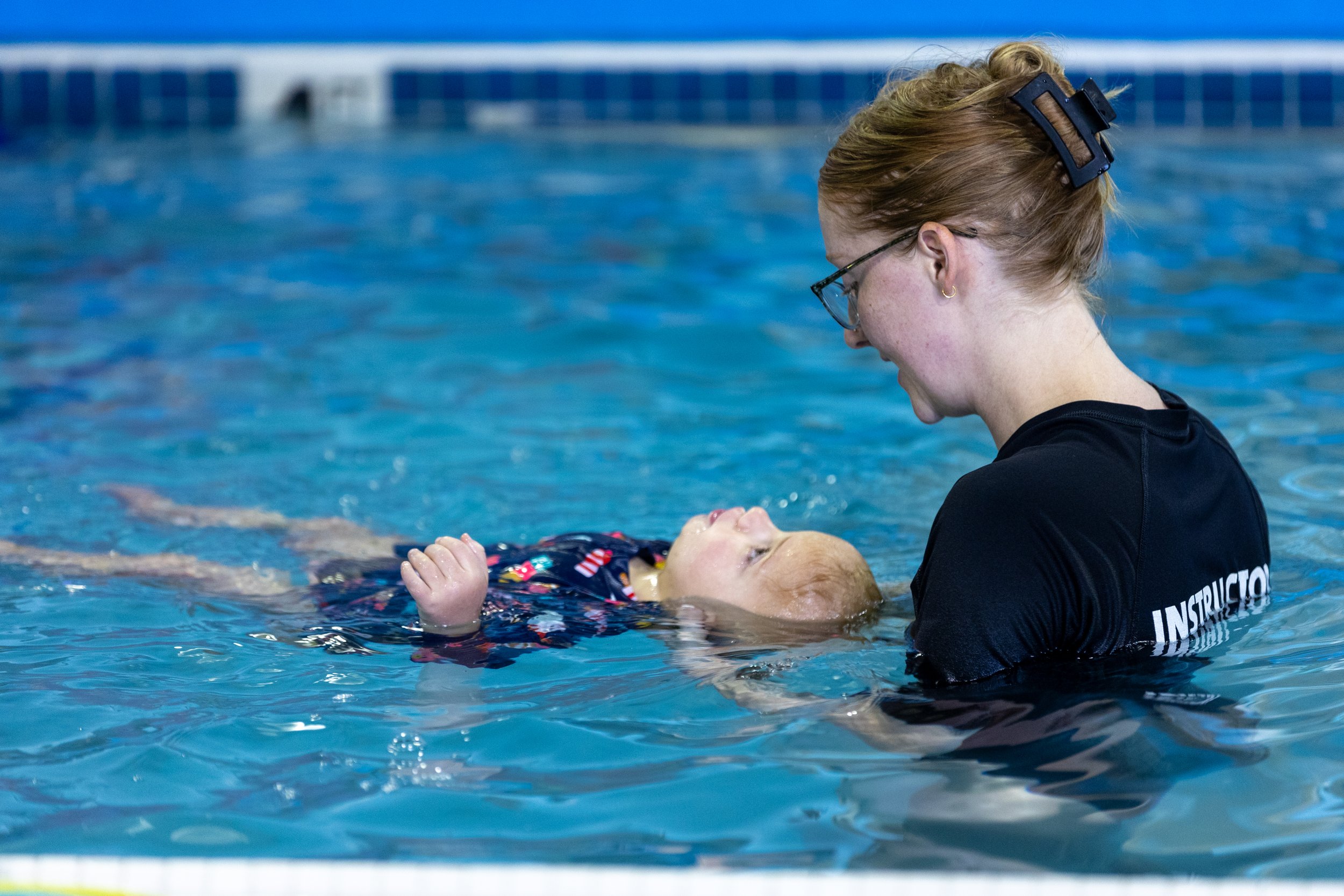
Every child is different, and every family has unique goals, comfort levels, and preferences. Ask questions when researching swim schools to determine what is the best fit for your family.
Is ISS the Same as ISR?
No.
ISS and ISR are separate organizations and approaches to survival-focused swim instruction.
However, both are part of the broader conversation around water safety and helping children develop foundational aquatic survival skills.
Families researching swim lessons should always evaluate:
Instructor experience
Program philosophy
Teaching environment
Child readiness
Communication style
Safety practices
Overall fit for their family
The most important goal is finding a program that prioritizes water safety, professionalism, consistency, and child-centered instruction.
Which Survival Swim Program Is Best?
There is no one-size-fits-all answer.
Every child is different, and every family has unique goals, comfort levels, and preferences.
When evaluating survival swim lessons, families may want to ask:
Is the program safety-focused?
How are instructors trained?
What role do parents play?
Is the environment supportive and developmentally appropriate?
How is progress communicated?
Does the program align with our family’s goals?
The best swim program is one that helps children become safer, more confident, and more capable in and around the water while supporting families throughout the process.
Why Survival Swim Instruction Matters
Regardless of program type, survival swim education has helped increase awareness around the reality of childhood drowning risks and the importance of layered water safety.
According to the CDC, drowning remains one of the leading causes of accidental death for young children.
Many incidents happen:
Quickly
Silently
During non-swim times
With adults nearby
That is why swim lessons should always be paired with:
Active supervision
Pool barriers and fencing
CPR education
Emergency preparedness
Ongoing water safety conversations
Swim instruction is one important layer of protection — not a substitute for supervision.
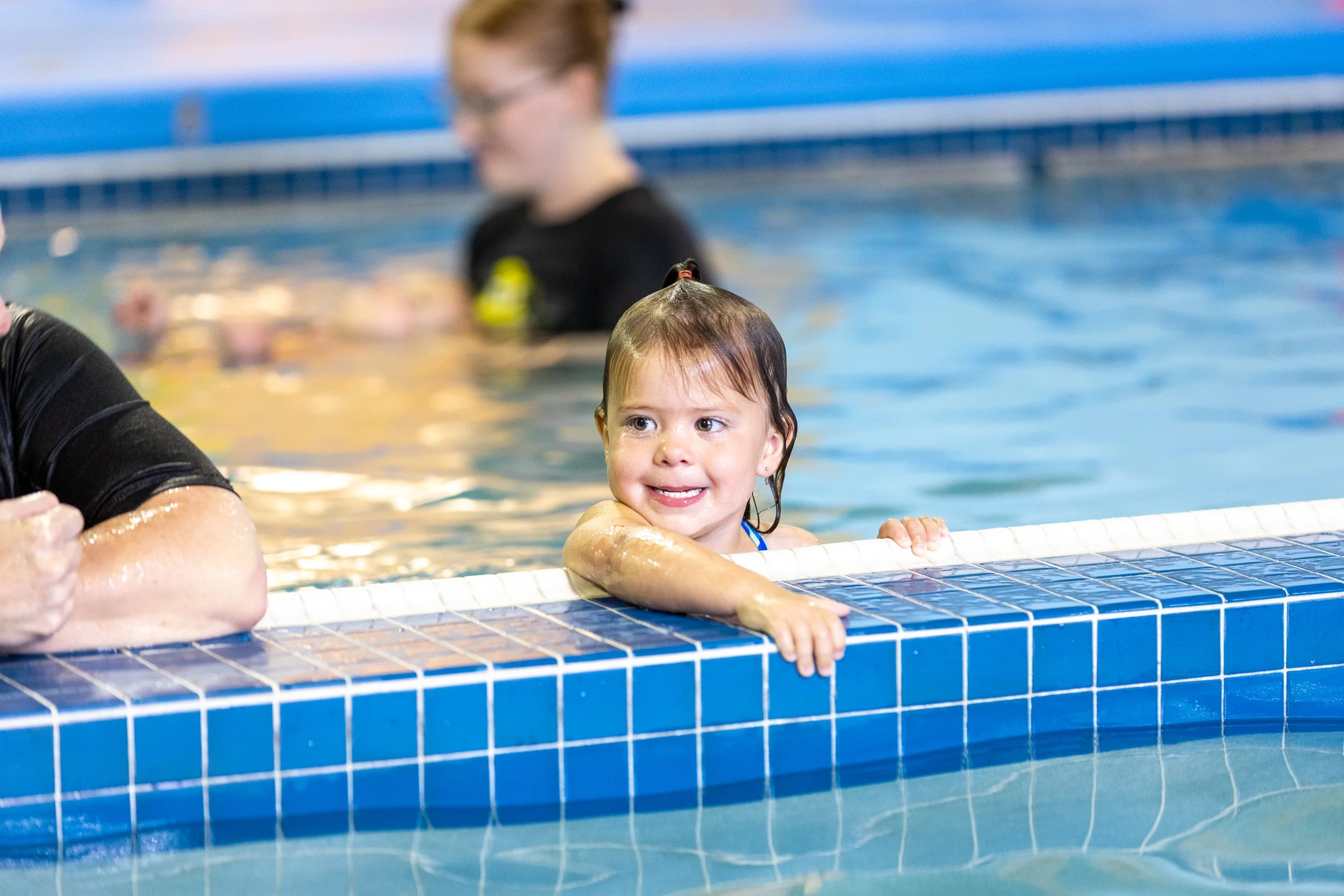
Holding on the wall is a key ISS skill. The purpose of ISS is not just teaching children how to swim laps or perform strokes; it is helping children become safer, more capable, and more prepared in and around water.
The Goal of ISS
At ISS, the mission is simple, and bigger than swim lessons:
The goal of Infant Survival Swim is to help save lives.
ISS was created from the belief that every child deserves access to water safety education and foundational survival skills that can help reduce the risk of drowning.
Drowning remains one of the leading causes of accidental death for young children, and far too many families are impacted every year by preventable water tragedies.
ISS believes water safety education should empower:
Families
Instructors
Swim schools
Communities
Through survival-focused instruction, parent education, and relationship-driven teaching, ISS aims to help families build stronger layers of protection around water.
That is why ISS focuses on:
Survival-focused swim instruction
Swim–Float–Swim skills
Water safety education
Parent involvement
Early water exposure
Confidence and self-rescue foundations
Community awareness around drowning prevention
The purpose of ISS is not simply teaching children how to swim laps or perform strokes. The purpose is helping children become safer, more capable, and more prepared in and around water. ISS believes lifesaving water safety education should be accessible to families and communities everywhere.
Through instructor development, facility partnerships, parent education, and survival-focused teaching, ISS aims to help reduce drowning statistics and create a stronger culture of water safety for future generations.
Related Articles
What Is Infant Survival Swim (ISS)?
Parent Involvement in Infant Survival Swim
The Reality of Drowning and Infant Survival Swim
5 Layers of Protection From Drowning
Frequently Asked Questions
Is ISS the same as ISR?
No. ISS and ISR are separate organizations and approaches to survival-focused swim instruction.
Does ISS focus on drowning prevention?
ISS emphasizes survival-focused water safety education and foundational self-rescue skills as part of a layered water safety approach.
What age should children start survival swim lessons?
Every child is different, but many programs offer infant and toddler water introduction opportunities depending on developmental readiness.
Are parents involved in ISS lessons?
Yes. Parent communication and involvement are important parts of the ISS philosophy.