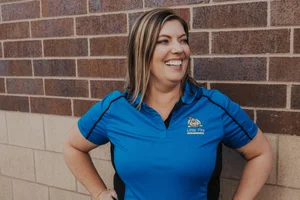
What is Infant Survival Swim (ISS)?
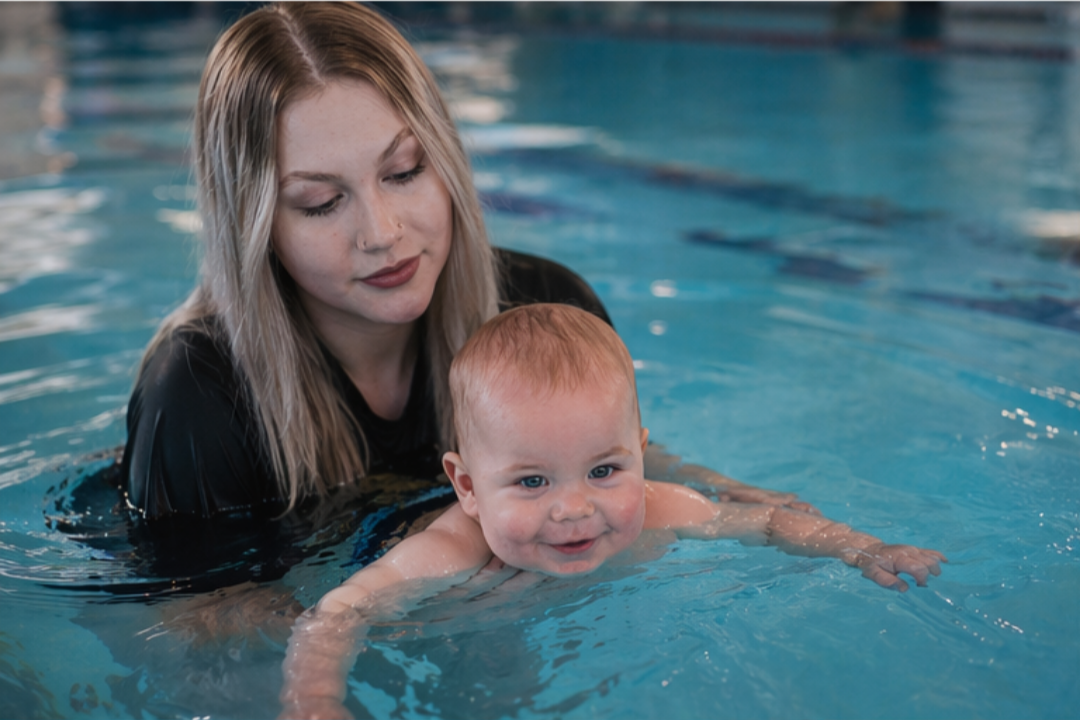
Water safety starts long before children learn perfect swim strokes.
For many families, the first question is simple:
What is Infant Survival Swim (ISS)?
Infant Survival Swim (ISS) is a survival-focused approach to swim instruction that helps infants, toddlers, and young children develop foundational water safety skills, confidence, and real-world self-rescue abilities in and around water.
Unlike traditional swim lessons that may focus primarily on recreation or stroke development, ISS prioritizes survival first.
At ISS, the goal is not just teaching children how to swim.
The goal is helping children become safer, calmer, and more capable in the water.
Little Fins Swim School is proud to be an official ISS Facility Partner and provider of Infant Survival Swim lessons in Colorado Springs, Colorado, helping families build safer, stronger relationships with water through survival-focused swim instruction.
What Does Infant Survival Swim Teach?
ISS programs are designed to help children build critical water safety foundations through developmentally appropriate instruction.
Core Infant Survival Swim skills often include:
Breath control
Floating and recovery
Swim–Float–Swim sequencing
Independent movement in the water
Safe water entry and exit behaviors
Confidence and calmness during unexpected situations
Water orientation and body awareness
These lessons are built around repetition, consistency, and confidence-building experiences that support both physical and emotional learning.
What Is Swim–Float–Swim?
One of the foundational concepts in Infant Survival Swim is Swim–Float–Swim.
This survival sequence teaches children how to:
Swim independently for a short distance
Roll into a safe floating position
Rest and breathe
Resume swimming when ready
The purpose is to help children learn how to respond more safely if they unexpectedly enter the water.
While no swim program can ever replace active supervision, survival-focused instruction can provide children with critical safety skills that may help buy valuable time during an emergency.
Why Is Infant Survival Swim Important?
Drowning Is Fast and Silent
According to the CDC, drowning remains one of the leading causes of accidental death for young children.
Many drowning incidents happen:
Quickly
Silently
During non-swim times
With adults nearby
This is why water safety education must begin early and involve multiple layers of protection.
ISS supports a broader drowning prevention strategy that includes:
Active adult supervision
Barriers and pool fencing
CPR education
Emergency preparedness
Consistent swim instruction
Water safety awareness at home
Swim lessons are one important layer of protection — not the only layer.
How Is ISS Different From Traditional Swim Lessons?
Survival First vs. Stroke First
Traditional swim programs often prioritize:
Freestyle
Backstroke
Technique development
Group progression
Infant Survival Swim focuses first on:
Floating
Breath control
Recovery skills
Emotional regulation
Safety behaviors
Independent confidence in the water
This does not mean children will not eventually learn strokes and technique.
Instead, ISS emphasizes foundational survival and safety skills first, especially during early childhood development.
What Age Can Children Start ISS Lessons?
Many children can begin water introduction programs during infancy depending on:
Developmental readiness
Physical health
Emotional comfort
Instructor recommendations
Programs like Aqua Babies and parent-participation lessons can introduce:
Water comfort
Early breath control
Parent-child bonding
Gentle water exposure
Foundational safety habits
As children grow, lessons progress into more independent survival and swimming skills.
General guidance:
0–6 months: Parent-participation water introduction classes
6 months–4 years: Ideal window for structured survival swim instruction
4+ years: Survival skills and stroke refinement
Survival swim is not just for babies. These principles apply at any age, even adults learning later in life.
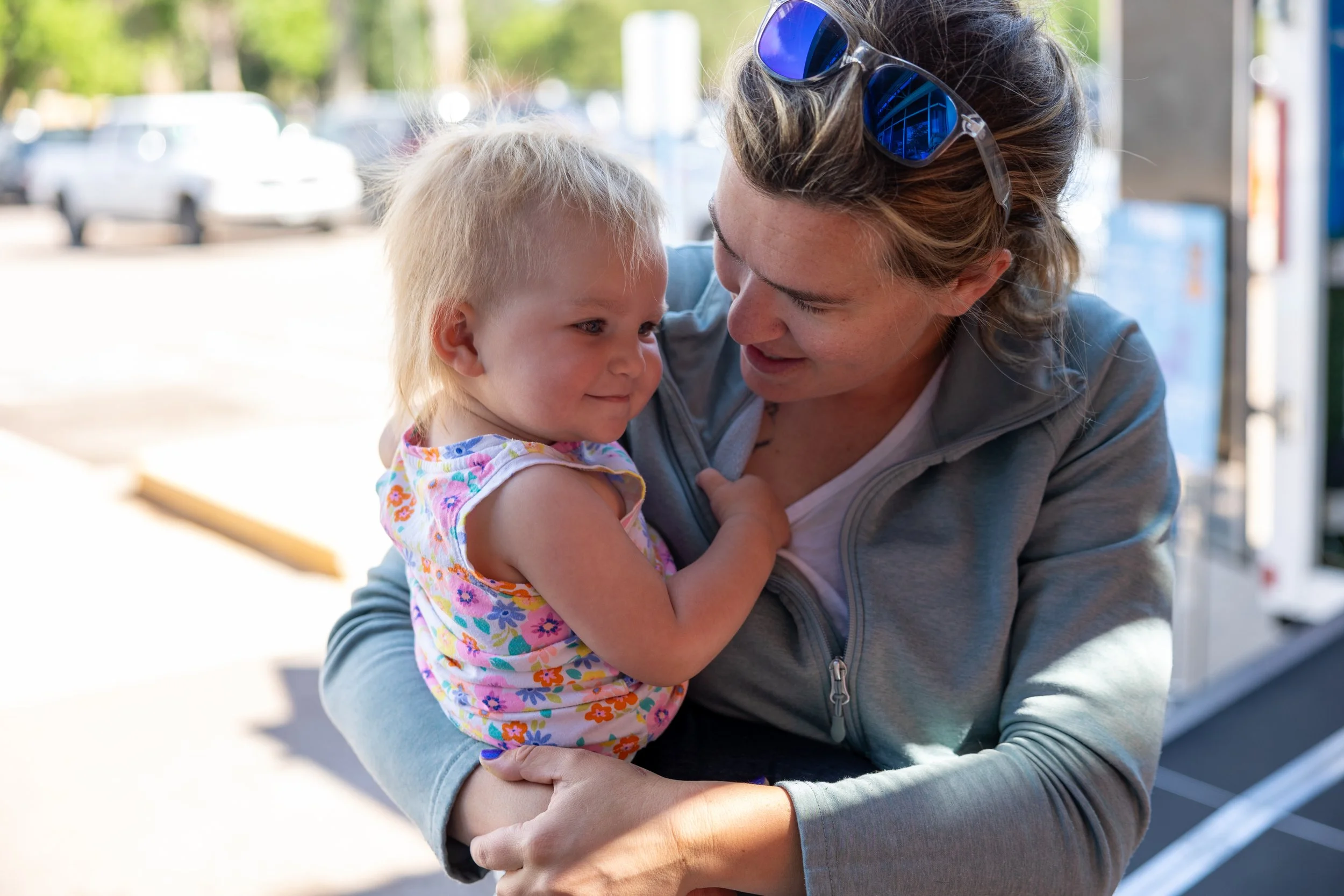
Parent involvement in swim lessons plays a critical role in helping children build confidence, safety skills, and long-term success in the water.
What Should Parents Expect During Infant Survival Swim Lessons?
ISS lessons often look different from traditional swim instruction.
Parents may notice:
Strong emphasis on floating
Repetition of recovery skills
Calm, structured lesson pacing
Individualized instruction
Focus on emotional comfort and regulation
Independent problem-solving in the water
Some children transition quickly.
Others need additional time and consistency.
Every child develops differently, and progress should always prioritize safety, confidence, and readiness over rushing milestones.
Parent Involvement Is a Critical Part of ISS
One of the most important parts of Infant Survival Swim is family involvement.
Children often experience greater success when parents:
Stay consistent with lessons
Reinforce safety habits at home
Communicate openly with instructors
Remain calm and encouraging during lessons
Understand the purpose behind survival-focused skills
Learn more about how families can support the ISS process.
This guide, from our friends and ISS facility at Little Fins Swim School, explains how parent participation and consistency help children build confidence, trust, and stronger long-term water safety skills.
Does ISS Guarantee Drowning Prevention?
No swim lesson program can ever guarantee drowning prevention or replace supervision.
Children should always be closely supervised around water regardless of skill level.
ISS is designed to help children develop stronger safety skills and confidence, but water safety should always include:
Active supervision
Multiple layers of protection
Ongoing education
Emergency preparedness
The safest families combine swim instruction with comprehensive water safety practices.
Why Families Choose Infant Survival Swim
Families often choose ISS because they want:
Survival-focused instruction
Confidence-building lessons
Strong water safety foundations
Smaller class environments
Individualized teaching
Early water exposure
Long-term swimming confidence
ISS is about much more than swimming laps.
It is about helping children develop safer, smarter relationships with water for life.
The Mission Behind ISS
At Infant Survival Swim, our mission is rooted in one simple belief:
Every child deserves the opportunity to become safer in and around the water.
We believe water safety education should empower:
Children
Parents
Instructors
Communities
Through education, consistency, and survival-focused instruction, we can help families build stronger layers of protection around water.
Learn More About Infant Survival Swim
If you are exploring survival swim lessons, parent education, or water safety training, we invite you to continue learning about the ISS philosophy and approach.